
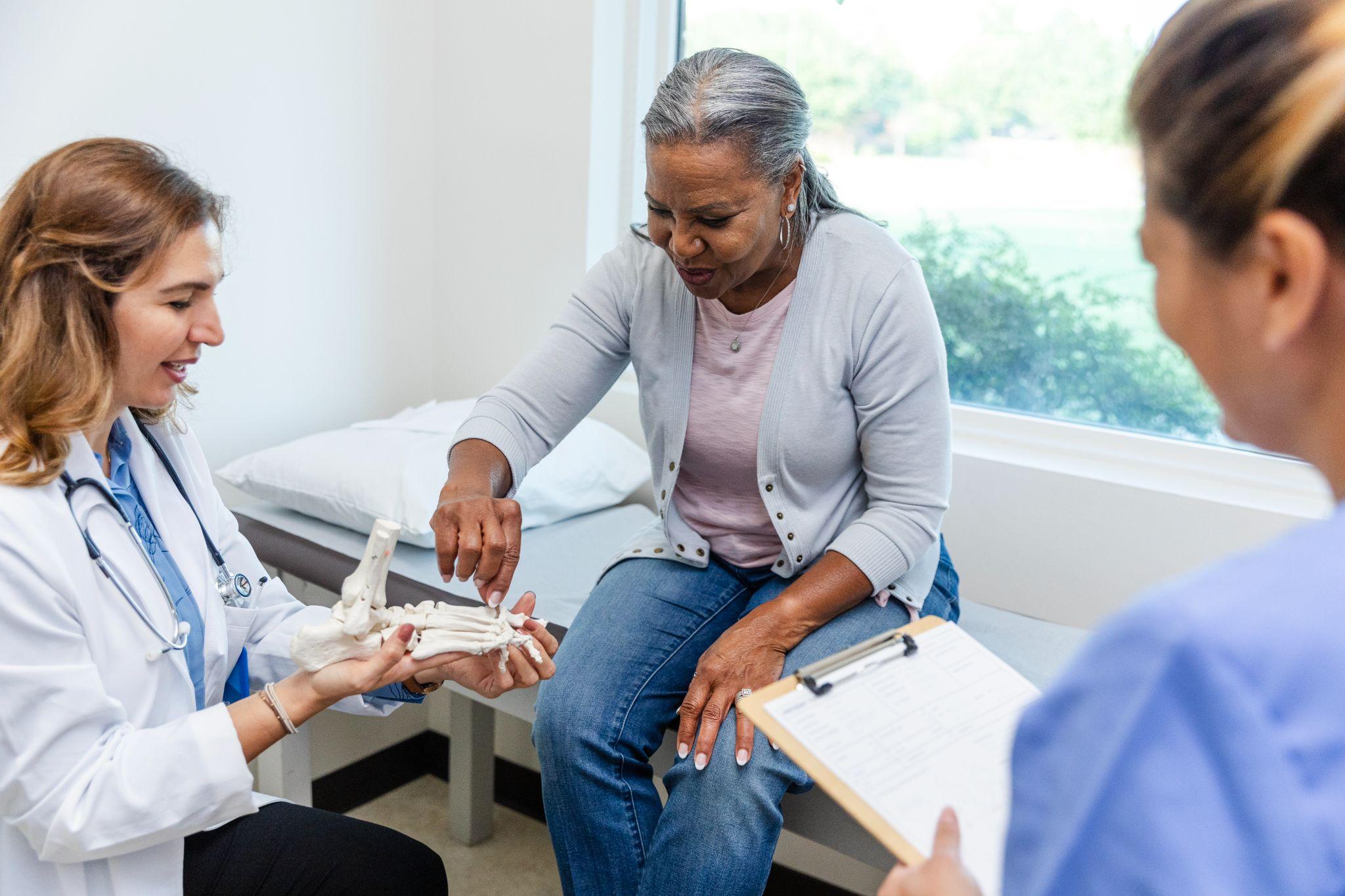
We’ve all heard that drinking milk helps keep our bones strong. But is that all there is to it? Maintaining bone health should be a priority for everyone, especially senior citizens.
There are a few key reasons why we should strive to maintain our bone health; especially as we grow older. Several different factors play into maintaining strong bones.
This article will address why bone health is important for seniors, the best supplements to add to your daily regimen, and how these supplements work together to keep bones strong.
Why Bone Health Is Important for Seniors
As we grow older, our bodies, lifestyles, and nutritional needs change.
These changes make us more prone to serious injuries such as bone breaks due to wear and tear, nutritional deficiencies, and posture changes. Keeping our bones strong is one way to proactively maintain a healthy body from the inside out.
Common Bone-Related Issues for the Elderly
As with any other body system, our skeletal system changes with age. With these changes, the body becomes more susceptible to common bone-related issues.
Some common issues faced by seniors are:
- Osteoporosis – This is one of the most common bone-related issues and the most common risk factor for bone breaks in the elderly. Osteoporosis is characterized by low bone mass and porous bones, making them more susceptible to fractures. While osteoporosis is more common in women, it does affect a large number of men as well.
- Osteoarthritis – The breakdown of joint cartilage and bone can lead to pain, joint stiffness, and swelling, a few of the common indicators of this chronic, degenerative bone-related condition. Osteoarthritis affects many seniors and may have tremendous impacts on daily life and functions.
- Calcium loss/mineral deficiency – Our bones need certain vitamins and minerals to function at their peak. Calcium is one of the primary minerals required to maintain the strength and mass needed to withstand fractures and breaks.
- Spinal bone spurs – Bone spurs (osteophytes) are growths found along the edges of bones. When these grow along the spine, they can cause weakness in the arms and legs. This weakness can lead to a change in gait, increasing the risk of falls and fractures in the elderly.
What Is the Best Supplement for Bones for Seniors?
There isn’t one magic pill that can provide a supplement for senior bone health. There are several recommended supplements with various benefits that work together to support bone health in the elderly.
Some of the most common necessary supplements for senior bone health are:
- Calcium
- Vitamin D
- Magnesium
- Vitamin K
- Isoflavones
- Phosphorous
- Boron
7 Recommended Bone Health Supplements for Seniors
#1: Calcium
Calcium is a mineral that is needed in large quantities and helps build bones and maintain bone strength.
It is estimated that 99% of your body’s calcium is stored in your bones and used for growing and maintaining strong, healthy bones.
The amount of calcium your body needs increases when you hit puberty when your bones do a significant amount of growing. Then, it tapers off but increases significantly once you enter your senior years.
The amount of calcium needed varies from male to female. For females ages 51-70, the daily recommended amount is 1200 milligrams. For males ages 51-70, the daily recommended amount is 1000 milligrams.
After the age of 71, it is recommended to have an intake of 1200 milligrams of calcium regardless of gender.
It is estimated that the average daily intake of calcium in seniors is only around 480–600 milligrams a day — less than half of what is required to maintain strong bones. Additionally, as we age, our bodies become less efficient in calcium absorption.
#2: Vitamin D
While calcium is the primary mineral necessary to grow and maintain strong, healthy bones, for the body to metabolize calcium efficiently it needs the help of Vitamin D. When someone is Vitamin D deficient, no matter how many calcium supplements they take, the body isn’t absorbing the required daily amount.
For people between the ages of 1-70, the recommended dosage for Vitamin D intake is 600 IU/d. For people 71 and older the recommended dosage is 800 IU/d. Keep in mind the maximum recommended daily intake is 4000 IU/d. Vitamin D toxicity is uncommon, but there is a possibility of making Vitamin D more harmful than beneficial if the supplement exceeds the maximum daily recommended dosage.
#3: Magnesium
Magnesium plays a key role in bone health by working to prevent bone loss and osteoporosis. Magnesium is the 4th most abundant mineral in the body and approximately half of your body’s magnesium goes to your bones, so it is important to maintain adequate levels daily.
The daily recommended amount for seniors varies for males and females. Males are advised to intake 420 milligrams a day and females are advised to intake 320 milligrams a day.
#4: Vitamin K
Vitamin K has several functions in relation to bone health. At its core, it is responsible for preventing bone loss in senior citizens by aiding in the metabolization of specific proteins.
Numerous studies have shown that Vitamin K deficiencies have led to increased fractures in the elderly, specifically hip fractures. Hip fractures are painful, may take a long time to heal, and may have negative effects on quality of life, so it is important to ensure you are getting your daily recommended dosage of Vitamin K.
It is advised that males over the age of 19 consume 120 micrograms a day and females over the age of 19 consume 90 micrograms a day.
#5: Isoflavones
Isoflavones are compounds commonly found in plants; specifically plants containing soy proteins such as soybeans. The research on the effect isoflavones have on bone health is still in its early stages but studies show promising results in the effect of isoflavone supplementation and bone health.
Some studies have found that isoflavones, due to their phytoestrogenic nature, can potentially have a positive effect in preventing estrogen-related bone loss as is common in osteoporosis.
Since studies on the effects of isoflavones on bone health are relatively new, there are discrepancies in dosage recommendations. However, the general consensus is approximately 90 milligrams daily a day for bone health.
#6: Phosphorus
Phosphorus is the second most abundant mineral in the human body, behind calcium. The two work together to help create strong, healthy bones. Phosphorus is also used in other processes within the body, but about two-thirds of your body’s phosphorus stores go to your bones and teeth.
Most people get the recommended daily amount of phosphorus simply through their diet alone through protein-rich foods and milk. However, as people get older dietary needs and restrictions may come up requiring supplementation of phosphorus.
Phosphorus can be harmful if taken in too high doses so it’s important to monitor your intake if supplementing it to prevent potential cardiovascular side effects.
The recommended dosage for adults and senior citizens is 700 milligrams a day. Phosphorus supplementation should be done under the supervision of a healthcare provider.
#7: Boron
Boron is an element that works hand-in-hand with different vitamins and minerals to support bodily functions. In regards to bone health, boron is used to help calcium metabolization.
Some studies have shown that boron supplementation had a positive effect on treating and preventing symptoms of osteoarthritis. But it should be noted that the studies on the overall effects of boron supplementation are still relatively new.
The current recommended daily tolerable upper intake level for adults is 20 milligrams for both males and females.
Are There Any Supplements to Avoid?
Strontium is a heavy metal commonly added to many supplements that advertise themselves as bone-health supplements. It is important to be aware of supplements containing strontium because while it may make it appear that a bone is healthy on bone-density scans, it only gives the illusion of a healthy bone and does not actually increase bone density. Strontium also has been linked to potential risks of heart attacks and blood clots.
Additionally, while it is important to have adequate levels of calcium and Vitamin D, it is possible to have too much of a good thing. Excessive levels of calcium and Vitamin D can lead to toxicity and an increased risk of kidney stones.
Excessively high levels of any vitamin and/or mineral may have detrimental effects and ultimately do the opposite of their intended purpose. Work with your team of healthcare professionals to ensure you’re receiving the proper amount.
As with any supplement, you’ll want to be aware of any potentially harmful interactions with other supplements and/or prescription medications, so working with a trusted healthcare professional is important before adding any new supplements to your regimen.
Additional Suggestions to Aid in Bone Health in Seniors
Consume a Healthy Diet
Maintaining a healthy lifestyle starts with a healthy diet. You can get many of the vitamins and minerals essential to maintaining bone health (as well as the health of your other bodily systems) by eating a balanced diet.
Senior Services of America communities recognize the need to tailor a diet specific to our bodies as we age. We provide curated diets to help support bone health while also taking into account residents’ personal preferences.
Maintain an Active Lifestyle
Staying active has tremendous benefits for senior citizens. Being active doesn’t have to be something rigorous and time-consuming. Even getting outside for a brief walk can be beneficial to your physical and mental well-being.
Another plus of being active outdoors is getting time in the sun which may help increase Vitamin D levels.
Some ideas that can help seniors maintain an active lifestyle are:
- Tai chi
- Water aerobics
- Walking
- Gardening
- Dancing
- Yoga
Senior citizens should avoid high-intensity interval training, squats, long-distance running, and deadlifts to minimize the risk of injury. Always confer with your healthcare provider before starting a new workout regimen.
Regularly Take Prescribed Medications
Supplements can be a beneficial and important additive to your routine as you get older. But it is imperative to take medications regularly as prescribed by your healthcare provider to support not only your bones but your body as a whole.
Remembering to routinely take medications and supplements as prescribed can be challenging. Consider helpful reminders such as having a family member give them to you, setting reminders/alarms, automated dispensers, etc.
Not all senior citizens have the accessibility or capacity to take medications and supplements on their own. Senior Services of America communities are committed to providing ways to manage medication and supplement distribution. Assisted living and memory care facilities can provide additional support that seniors need to ensure they take their medications and supplements on time each day.
Our Senior Services of America Communities Offer a Wide Variety of Services to Keep Our Clients Healthy, Comfortable, and Active
Maintaining overall health and wellness should be a priority for our aging loved ones. Bone health is just one of the many ways to support senior adults as they age.
Senior Services of America communities prioritize the various needs of its senior residents and provide a wide range of support programs. The dedicated team of professionals at Senior Services of America is committed to getting to know each resident and their needs to provide the proper individualized regiment of nutrition, supplements, and activities to best support their ongoing health.
To learn how Senior Services of America can help empower you or a loved one to live a healthy and fulfilling life, find a nearby senior living community today!

The content in this blog is not intended to be a substitute for professional medical advice, diagnosis, or treatment. Always seek the advice of your physician or other qualified health provider with any questions you may have regarding a medical condition.